About the Stevens Center for Innovation
Under the leadership of the USC Office of Research and Innovation, the Stevens Center serves as the university’s technology transfer office, advancing discoveries from the lab to the marketplace and fostering entrepreneurship. Managing a broad portfolio of university-owned intellectual property generated from more than $1 billion in annual research expenditures, we license innovations to established companies and startups that develop products and services that improve lives, transform industries, and fuel economic growth. Established through a generous endowment from Mark Stevens and Mary Stevens, the Stevens Center has evolved into a university-wide resource that supports commercialization across all disciplines, accelerating the impact of USC research around the world.

“USC has always been fueled by ideas with the potential to change the world. What matters is ensuring those ideas are nurtured, protected, and given a path to grow. The Stevens Center connects brilliant research with the expertise and partnerships that bring breakthroughs to market, creating value for society and strengthening the impact of USC innovation.”
Mark Stevens
Philanthropist, Venture Capitalist and USC Board of Trustees Member

Our MISSION
To support the protection, translation, and technology transfer of USC innovations into real-world applications that benefit society.
Our Role
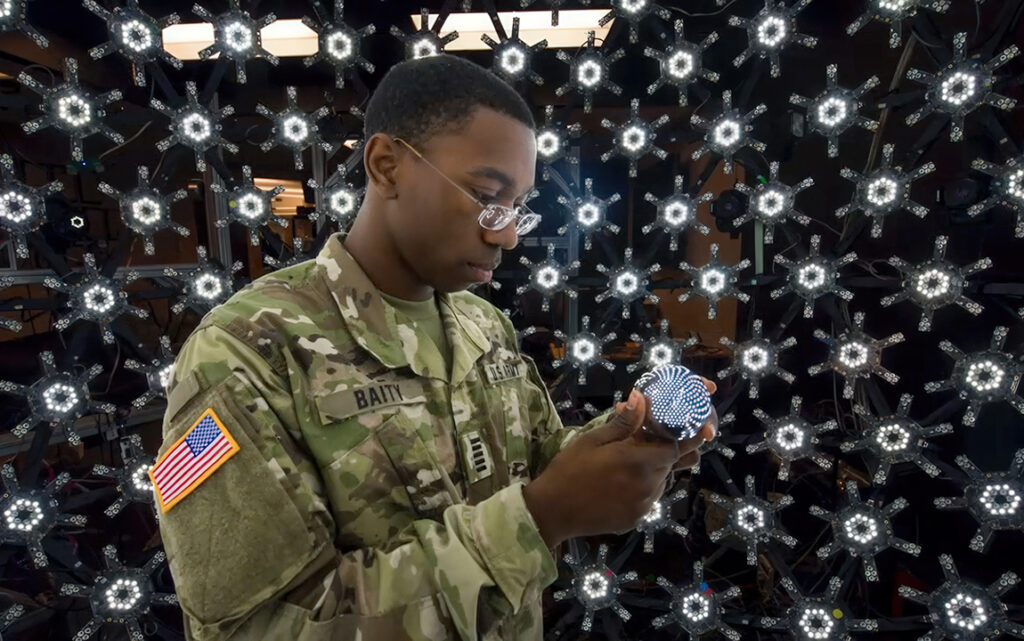
We manage USC intellectual property, guide the protection and licensing of discoveries, and support startup creation across disciplines. Our work ensures breakthrough research reaches the market, where it can create value, generate economic impact, and elevate USC innovation worldwide.
What We Do
The Stevens Center bridges the gap between academia and industry by transforming research discoveries into real-world impact. We manage intellectual property generated by USC researchers by identifying, protecting, and patenting promising innovation and licensing new technologies to commercial partners. Our experts collaborate with USC researchers and help move their discoveries from the lab to the marketplace.
By The Numbers
26
Licensed startups in the last 5 years
$23.5M
Last 5 fiscal years
(not including FY26)
300+
Active licenses
Our Story
Mark Stevens, a USC Viterbi alumnus and Board of Trustees member, is a leading Silicon Valley venture capitalist, managing partner at S-Cubed Capital, Nvidia board member, and part owner of the Golden State Warriors. In 2004, Mark and Mary Stevens established the USC Stevens Institute for Technology Commercialization with a $22 million endowment to advance engineering at USC. Renamed the USC Stevens Center for Innovation in 2007, we expanded to serve all researchers and became the university’s technology transfer office, managing USC’s IP portfolio and identifying, protecting, and patenting inventions and technologies with commercial potential.
1980
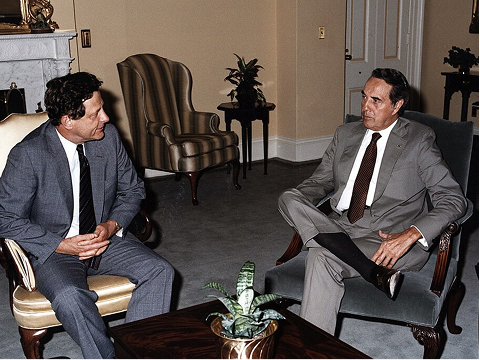
The Bayh-Dole Act was enacted.
2008
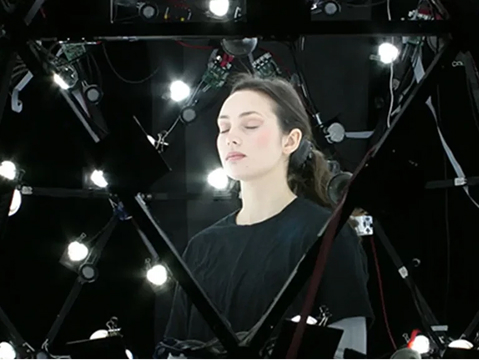
Exclusive patent license for (Academy Award-winning) Lightstage platform.
2009
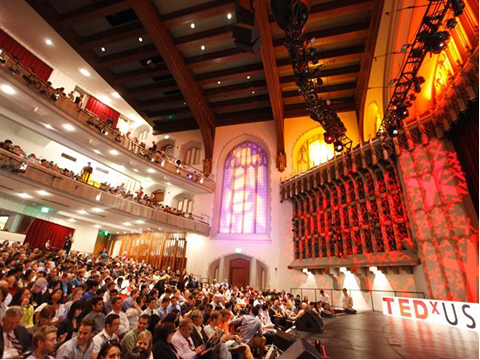
USC Stevens hosts inaugural TEDx event at Bovard Auditorium
2026
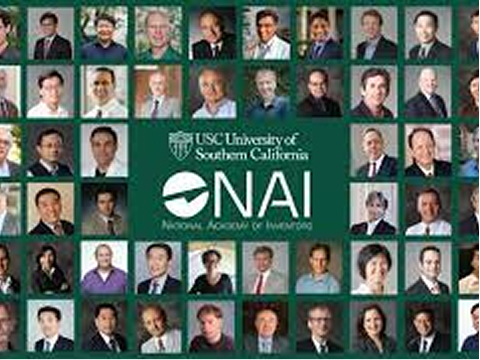
USC became the host institution for the National Academy of Inventors Annual Conference in Los Angeles.

“Behind every strong patent is careful thinking about what comes next. Our job is to protect ideas in a way that respects the research, supports future opportunity, and gives innovators confidence as their work moves beyond the university.”
Keith Johnson, JD
Senior Patent Advisor
Our Team is Here to Serve You
Service and collaboration define our work, and our experts are available to support your innovation.
